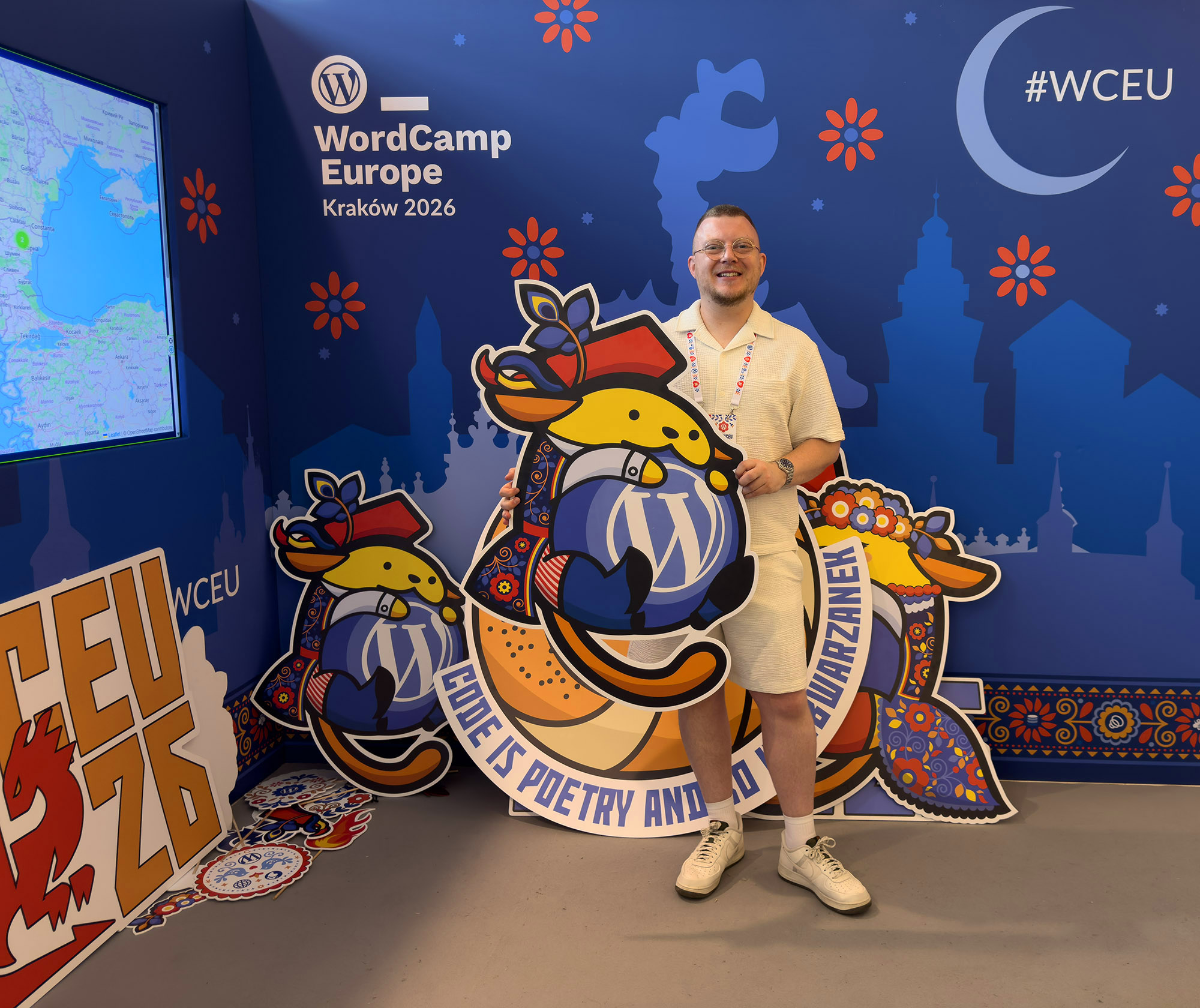
The start of summer marks the date for WordCamp Europe, and once again, Cosmic’s Jamie Dąbrowiecki from the web team was in attendance, this year at the ICE Kraków Congress Centre in Kraków, Poland.
WordCamp Europe is the largest community-organised WordPress conference in the world. The annual event spans over three days, and between talks and workshops, there’s also plenty of time for networking with fellow attendees and the many sponsor booths that can be found at the venue.
Jamie’s time at WordCamp Europe 2026
Contributor Day
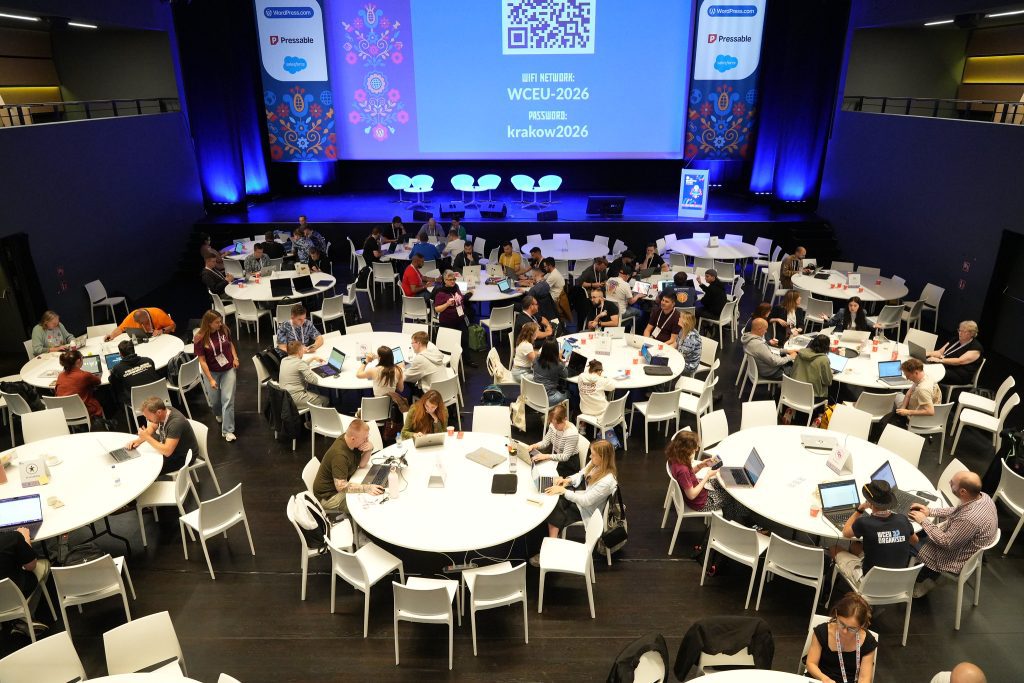
As a long-time WordPress contributor, Jamie was in attendance for Contributor Day. He sat with the Polyglots as a representative of the UK (en_GB) Editorial team.
The Polyglots are those who translate WordPress’ core, themes, plugins, and more into over 200 languages. At Contributor Day 2026, there were 74 people participating in the translation event, and as a collective translated 93,000 strings (i.e. a phrase or sentence) into 30 other languages (of which Jamie contributed 10,500, and also helped onboard new contributors).
Here’s a photo of Jamie deep in contemplation (front-centre table)!
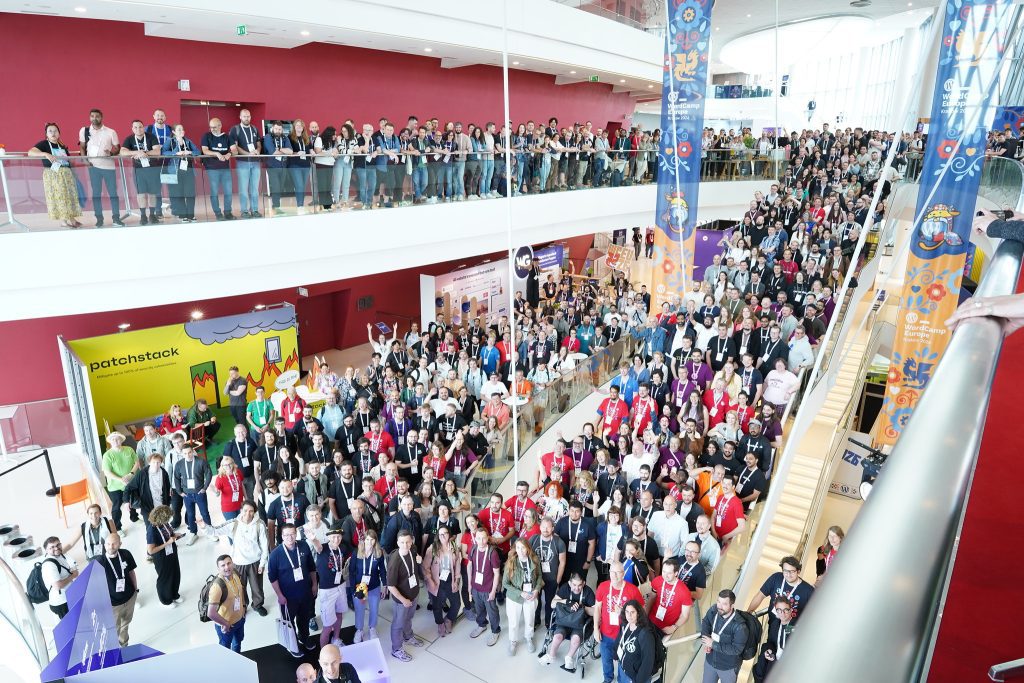
779 contributors attended WCEU’s Contributor Day in 2026, spanning across 26 distinct teams.
A group photo was taken of all the contributors that attended. See if you can spot Jamie (hint: he’s on the stairs).
Conference Days
As always, the WordCamp Europe conference days are packed full of interesting talks and workshops. You can see the full schedule here.
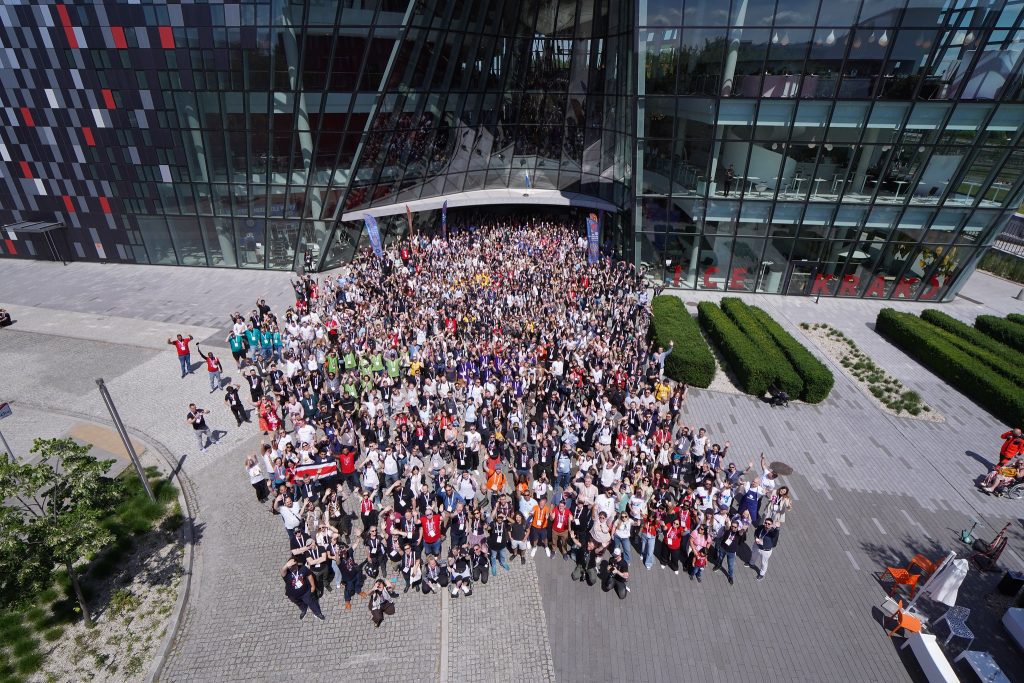
2,500 people were in attendance across the two conference days this year.
Learning about AI and SEO
A key topic Jamie wanted to hear more about at WordCamp was AI search, both from an SEO strategy perspective and also from a programming and development angle.
These two aspects of AI search are incredibly important in 2026. AI has truly exploded in a very short space of time, and as website owners we must adapt to new technologies. It is important that we learn how to optimise our websites (and the content on them) so that AI search tools can return results, but more importantly return the correct results to those searching for them.
Search engine optimisation has gone through many big changes over the years, and if you have a website of your own you will likely be well aware of how fast the SEO world can change. Back in 2015, “Mobilegeddon” delivered one of the biggest Google algorithm changes we’ve ever seen, and it could be argued that this new wave of artificial intelligence tools are changing the world of search in such a way we’ve never seen before.
There were a handful of really informative talks on this subject, all of which you can watch for free online.
- AI search: why your whole company should care by Emma Young
- Panel: the future of SEO by Kacper Bartoszak, Pam Aungst Cronin, Alex Moss, David Cuesta, and Jovana Smoljanovic Tucakov
- The AI-first WordPress site: crawler to citation by Alain Schlesser
AI search isn’t just SEO’s problem anymore – it’s everyone’s. From content teams to developers, PPC to partnerships, the shift to AI-native discovery affects your entire business.
Emma Young, Head of Organic Marketing at Hostinger
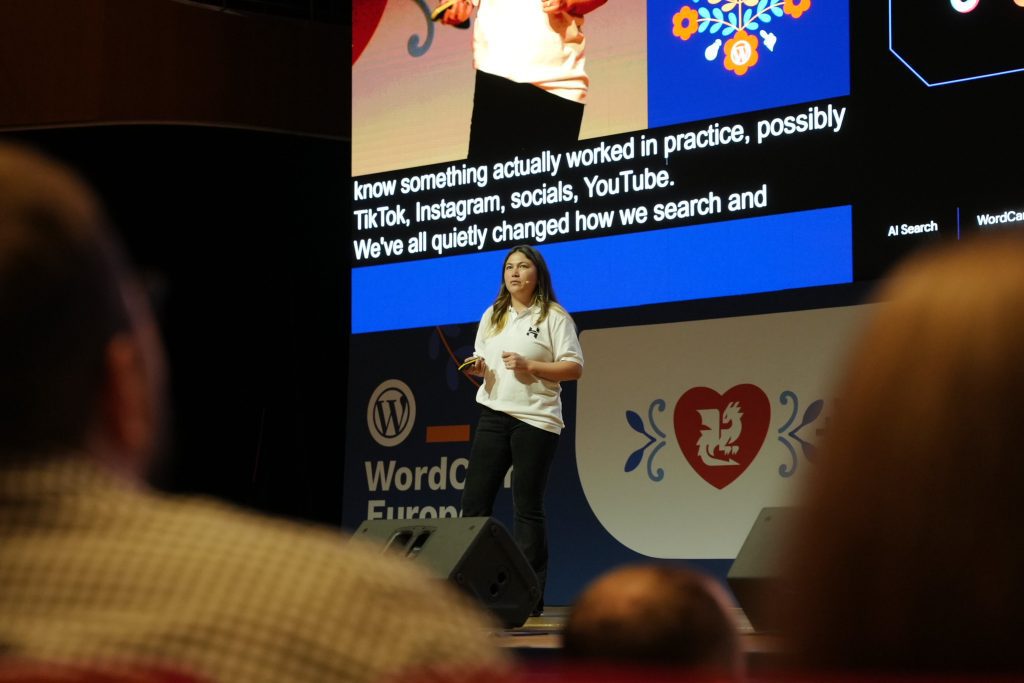
Search is no longer a single discipline. As AI-generated answers reshape how people find information online, SEO practitioners are being asked a new question: are you optimising for search engines, or for the models that are increasingly answering in their place?
Panel: the future of SEO
AI search-adjacent, a feature rising in popularity is to have artificial intelligence integrated into your website in the form of a search function. This allows users to search your website as they’ve always done in the past, but instead of returning a series of posts and pages based on a simple keyword, it responds with tailored information to directly answer the question posed by the user. This then removes the need for the user to go digging for information through a mountain of search results.
AI platforms generated 1.13 billion referral visits by mid-2025, yet most WordPress sites aren’t ready.
Alain Schlesser
Both of these solutions require carefully planned and structured content; is this something you have considered or worked on yet? Speak to our web team if you’d like some help.
What else was everyone talking about?
It wasn’t all AI and SEO though.
Jamie sat in on a 30-minute talk from Joachim and Francisco from CERN, the European Organisation for Nuclear Research. In their presentation, they explained how CERN had officially adopted WordPress as its content management system, and the process of implementing such a large-scale migration. They have over 800 websites created by their staff, so it’s not a small task!
There were also some 10-minute quick fire talks about the importance of writing in a video-first internet, supporting open source, and WordPress contributions.
In 2026, video accounts for 82.5% of global internet traffic. So where does that leave written content?
Pooja Sanwal, Community Relations Manager at Cloudways
Other notable talks looked at the latest release of WordPress (WordPress 7.0), and also WooCommerce (WordPress’ e-commerce solution) vs. its competitors.
Shopify has made huge strides in the e-commerce space in recent years, but WordPress is keen to prove that Woo is still a leader in the space. Cosmic is a developer of both platforms, so if you are thinking of stepping into the world of e-commerce but aren’t sure what platform you should use, let’s have a chat!
Up next: WordCamp Europe 2027
WordCamp Europe 2027 will be held in the sunny port city of Málaga in Spain, and Jamie will be attending once more. If this sounds like your kind of event, reach out and meet up with Jamie next year to talk all things web design, development, and trends.
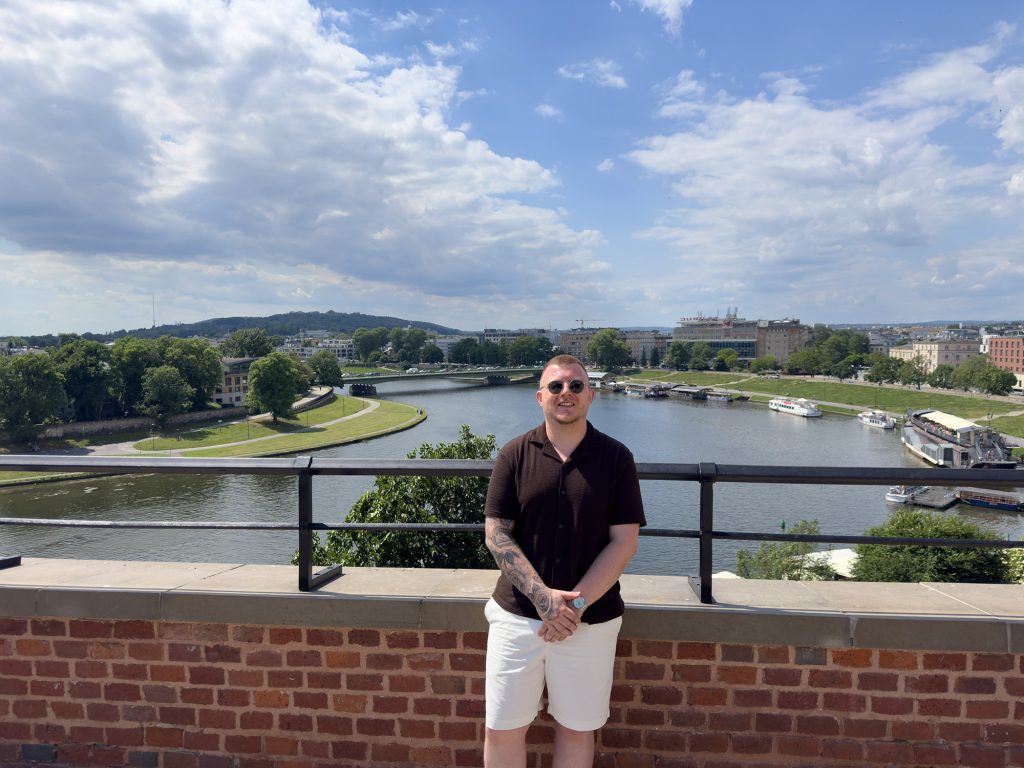
Aside from learning plenty of new information, Jamie spent an extra four days in Kraków so that he could check out the sights (such as the Wieliczka Salt Mine and Wawel Royal Castle) and try all the best local food spots. Ask him for recommendations if you’re planning a trip!